

Upgrade Your Theatrical Productions with Advanced Lighting Equipment
July 31, 2024
LED Replacement for Halogen PAR Lights
August 15, 2024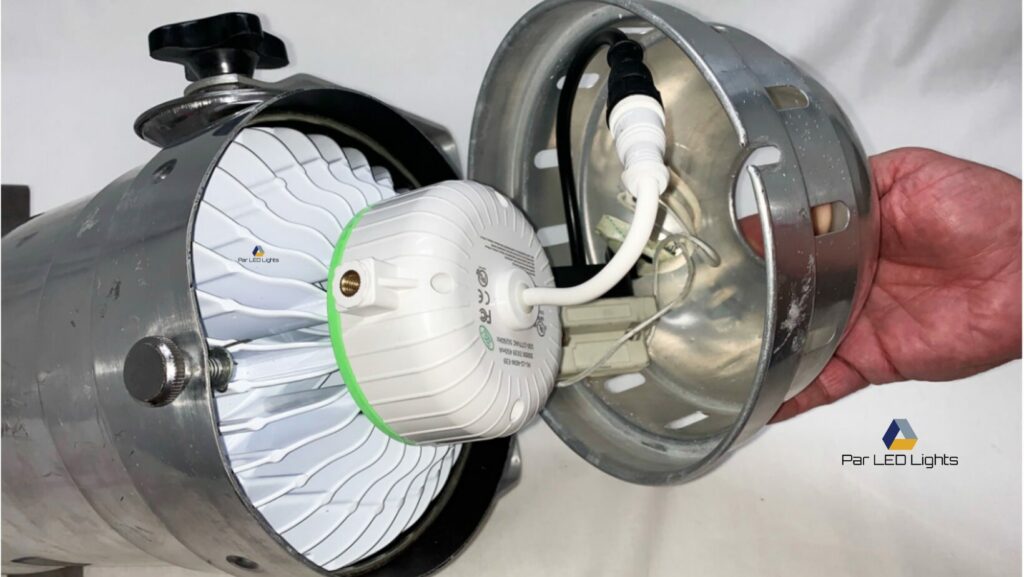
Commercial Retrofit Guide
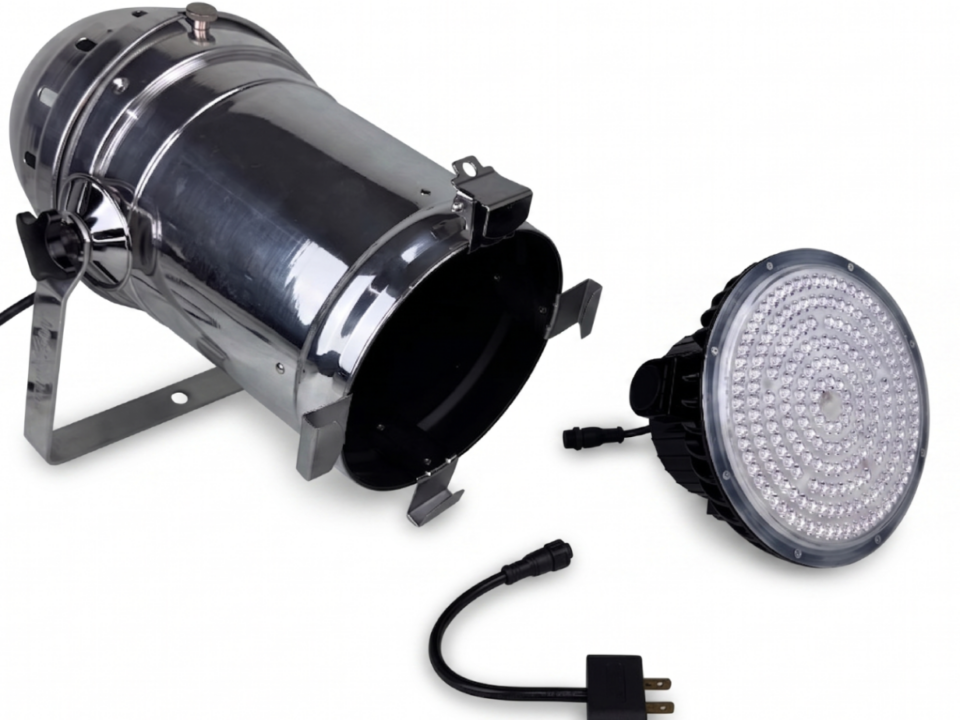
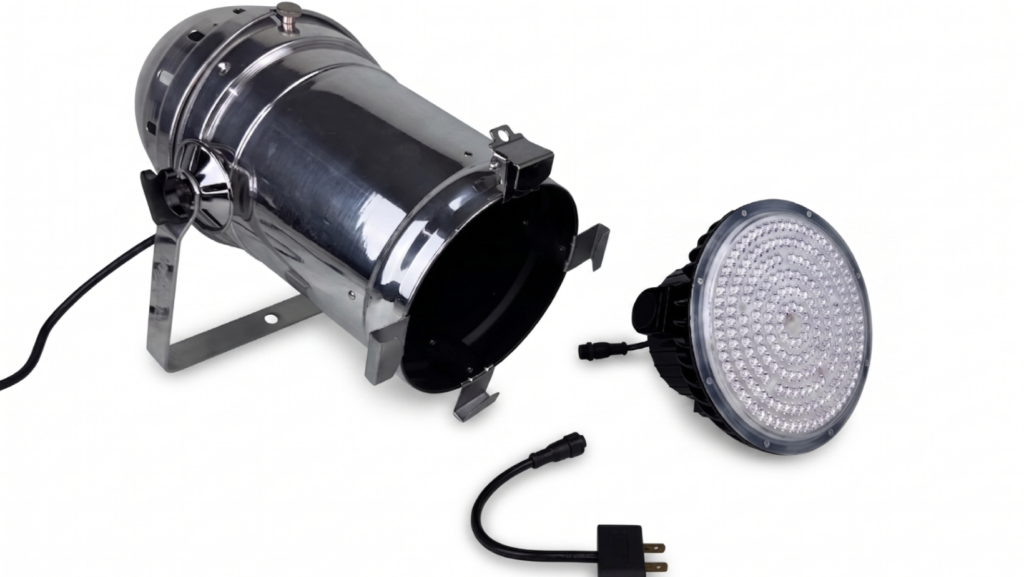
How To Retrofit PAR Cans
LED retrofitting is a smart solution for businesses and facilities looking to upgrade their lighting systems. By replacing outdated incandescent or fluorescent lights with energy-efficient LED technology, organizations can significantly reduce their energy consumption and lower utility costs.
Beyond the financial savings, LED retrofitting improves lighting quality with a higher Color Rendering Index (CRI) and customizable color temperatures, creating a more visually appealing and productive environment. Additionally, LEDs’ longer lifespan means fewer replacements and lower maintenance costs, making LED retrofitting a smart, long-term investment.
As the push for sustainability and energy efficiency continues to grow, the demand for LED retrofitting has surged. This is driven by the need to reduce carbon footprints and comply with increasingly stringent energy regulations, making LED retrofitting both a financial and an eco-conscious decision.
Choose Your PAR Retrofit Lamp
Start by choosing the retrofit lamp family that matches your existing PAR can size, output needs, throw distance, and application.
PAR56 LED Retrofit Lamps
Best for tighter coverage, smaller stage zones, displays, platform lighting, and many existing PAR56 cans.
PAR64 LED Retrofit Lamps
Best for larger stages, theaters, auditoriums, longer throws, and higher-output retrofit projects.
Need Help Choosing?
Tell us your fixture size, beam-angle needs, dimming setup, venue, and approximate quantity. We can help point you toward the right retrofit option.
Before You Order: Confirm These Three Details
PAR size is a useful starting point, but the existing fixture, connection method, lighting coverage, and controls all matter when choosing a retrofit.
| What to Confirm | What to Look For |
|---|---|
| Existing fixture | Identify the fixture model and existing lamp. Confirm the replacement’s dimensions, required clearance, and electrical supply—not just the PAR number. |
| Connection | Identify the existing socket or wiring arrangement. Choose the connector version intended for that installation. |
| Light coverage and controls | Note the distance to the area being illuminated, the coverage needed, and the dimmer make/model. These details help narrow down the configuration. |
Not sure what you have? Tell us the fixture model, the markings on the existing lamp, and approximately how many lamps you need. We can help narrow down the options before you order.
Compare the Connection Options
Current HyLite Lotus Lamp configurations use the GX16D Quick Adapter or WC2 Whip Connector depending on the installation. Confirm the existing socket or wiring before ordering.
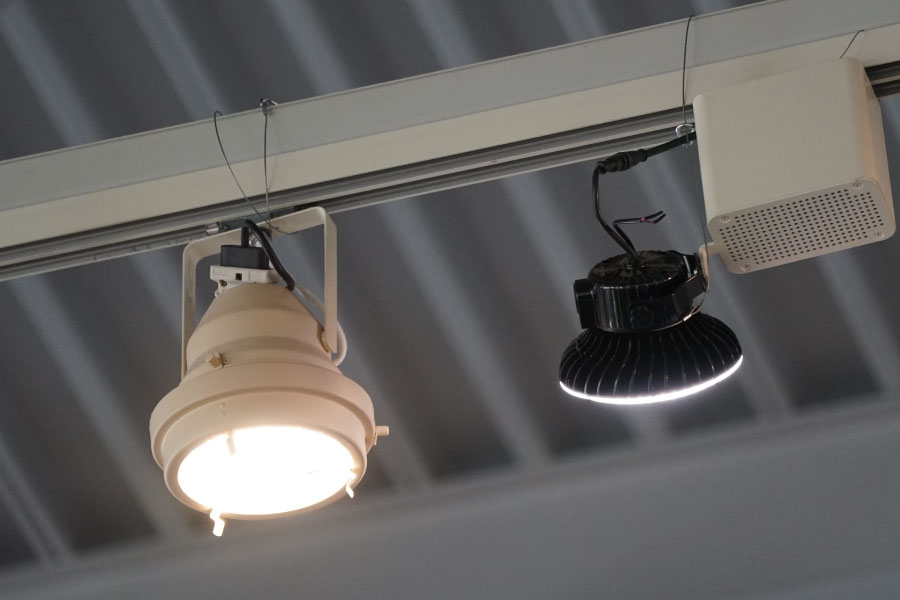
Difference Between Retrofitting and Installing New LED Fixtures
An LED retrofit is a straightforward process that involves upgrading existing lighting fixtures to accommodate LED technology. This allows businesses to enjoy the benefits of LEDs without replacing their entire lighting infrastructure, offering a cost-effective, minimally disruptive solution.
In contrast, installing new LED fixtures requires replacing the entire lighting setup, which can be more expensive and labor-intensive but may be necessary when the existing infrastructure is outdated or incompatible with LED technology.
Retrofitting is ideal for those looking to improve efficiency and performance quickly and affordably, while new installations suit comprehensive upgrades or new construction projects.
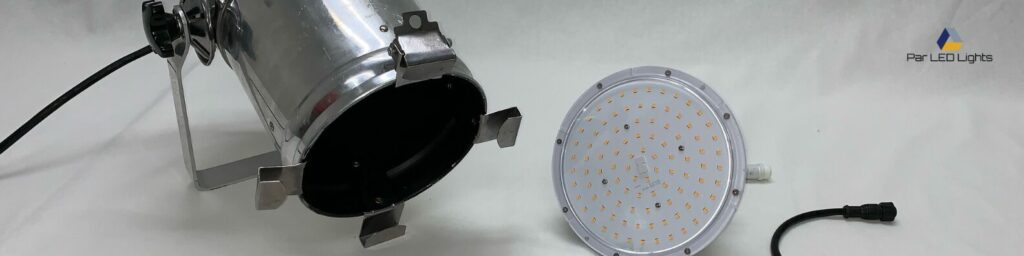
Step-by-Step Guide to Retrofitting
If you’re considering upgrading your lighting system but don’t know where to start or are worried about potential costs, we’ve got you covered. Our step-by-step guide will walk you through retrofitting, from assessing your current setup to testing and optimizing your new LED lights.
Assess Your Current Setup:Evaluate your existing PAR Can lights, checking fixture compatibility, wattage, and overall condition to determine the best retrofit approach.
Choose the Right LED Products:Select LED PAR can retrofit solutions that match your fixture specifications, considering factors like lumen output, color temperature, and dimming compatibility.
Install with Care:Turn off power, remove old bulbs, and follow the manufacturer’s instructions to install the LED retrofits. Ensure all connections are secure and meet safety standards. For more setup guidance, review our PAR can installation guide.
Test and Optimize:After installation, test each light for proper operation, adjust settings as needed, and ensure dimmers function correctly with the new LEDs.
Benefits of Retrofitting LED PAR Can Lights
When you retrofit to LED lighting, you’re not just upgrading your system but making a smart financial and environmental decision. LED lighting uses up to 75% less power than traditional bulbs, directly saving on utility bills and maintenance costs. Plus, LEDs last longer, meaning fewer replacements and lower costs and environmental impact.
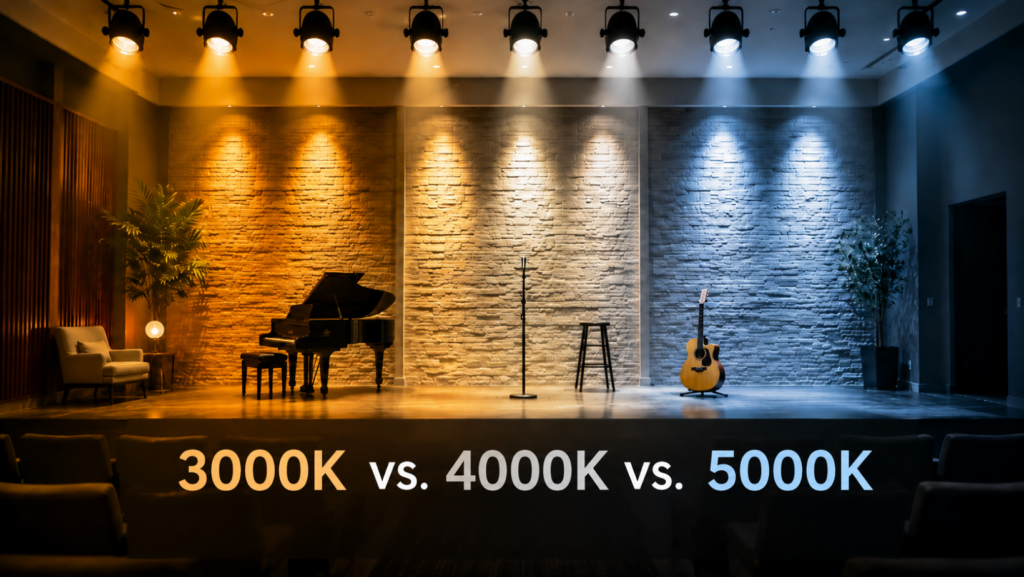
Additionally, retrofit stage lighting can enhance lighting quality with a higher Color Rendering Index (CRI) and customizable color temperatures, creating a more visually appealing and functional environment. This switch reduces costs and supports sustainability by lowering the carbon footprint, as LEDs emit less CO2 and contain no harmful substances like mercury.
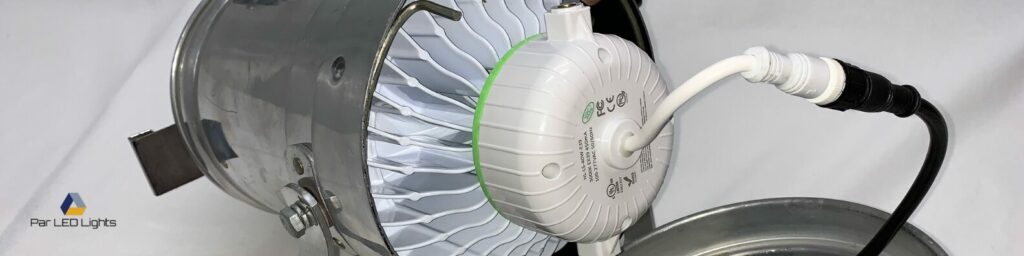
Common Challenges and Solutions
Compatibility issues can arise when retrofitting LED lights into existing fixtures, particularly if the fixtures were designed for older technologies like incandescent or fluorescent bulbs. To prevent performance issues or damage, ensure the existing setup’s voltage and wiring meet the requirements of the new LED retrofit products.
Also, to avoid flickering and ensure smooth dimming, use LED-compatible dimmers and verify that all components are correctly installed and configured, since traditional dimmers may not work properly with LED technology.
Choosing Between Retrofit LEDs and Full LED Fixture Replacement
Here are the detailed pros and cons of each approach:
Retrofitting
Pros: Lower initial costs, faster installation, minimal disruption, and immediate energy savings. This option is suitable for spaces where the current lighting layout is adequate, and fixtures are still in good condition.
Cons: Limited by the existing fixture’s capabilities, potential compatibility issues with dimmers or controls, and possibly lower overall lumen output compared to new fixtures designed for LEDs.
Replacing with New LED Fixtures
Pros: Offers complete customization of the lighting layout, supports higher lumen outputs, provides better integration with modern smart lighting systems, and ensures full compatibility with LED technology.
Cons: Higher upfront costs, longer installation time, and greater disruption due to potential rewiring or reconfiguration of the space.

What Is Adjustable?
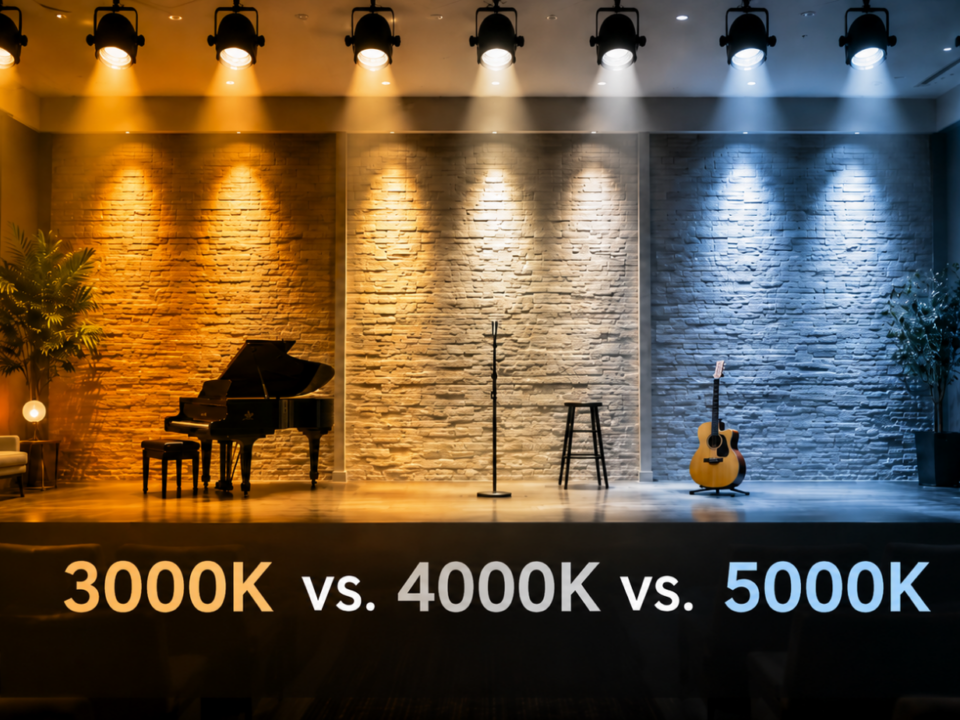
Current PAR56 Lotus lamps include selectable 40W and 60W output. PAR64 models include selectable 100W and 150W output. Both families offer 3000K, 4000K, and 5000K white color-temperature settings.
Select the beam angle and connector when ordering. Don’t confuse these settings with built-in wireless controls or RGB color effects. Confirm compatibility with your actual dimmer and wiring before installation.
Ready To Upgrade Your PAR Can Lighting?
Start with your existing fixture, then compare the available lamp family, connector, and beam angle. Browse the options below, or contact PAR LED Lights for help narrowing down your selection.