
High-Power PAR LED Retrofits
December 15, 2023
PAR Can Installation Instructions
January 2, 2024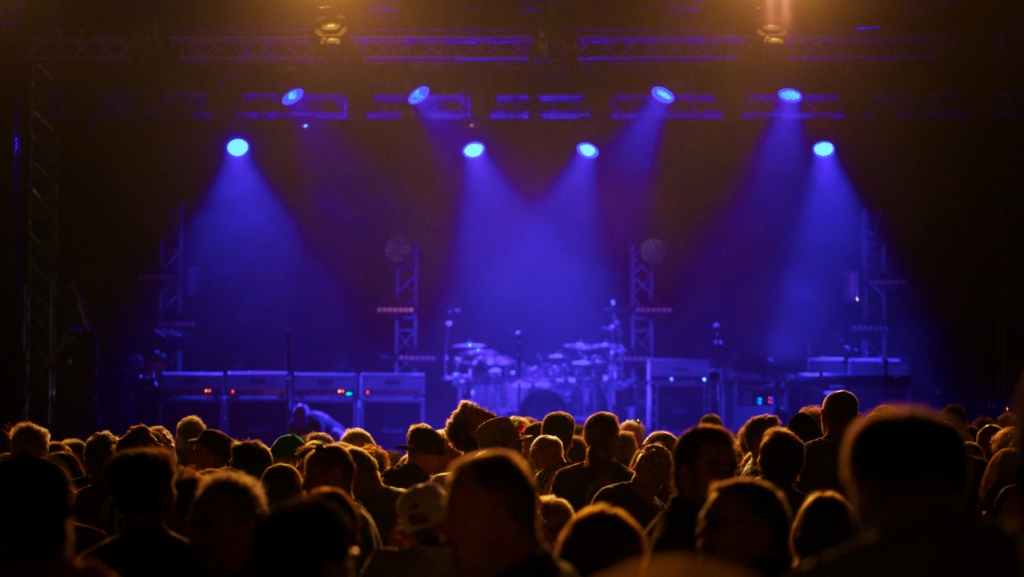
LED vs. Traditional
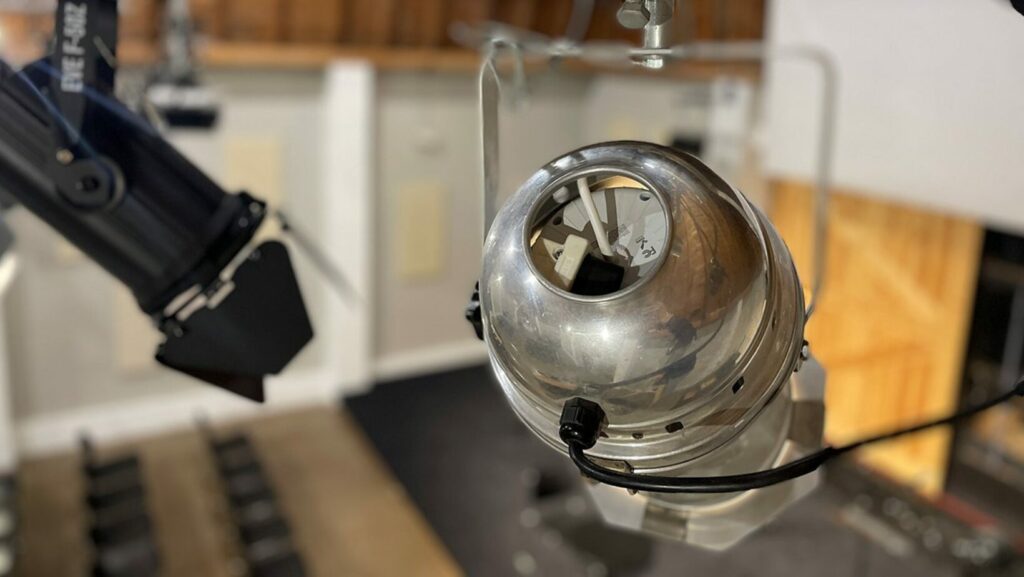
PAR cans, known fully as Parabolic Aluminized Reflector cans, have long been a cornerstone in the events world.
These lighting fixtures are ingeniously designed to focus light into a controlled beam, making them a popular choice in a variety of settings, from the drama of theater stages to the energy of concert venues.
This article aims to shed light on the differences between the traditional PAR cans and their modern counterparts, the LED PAR cans.
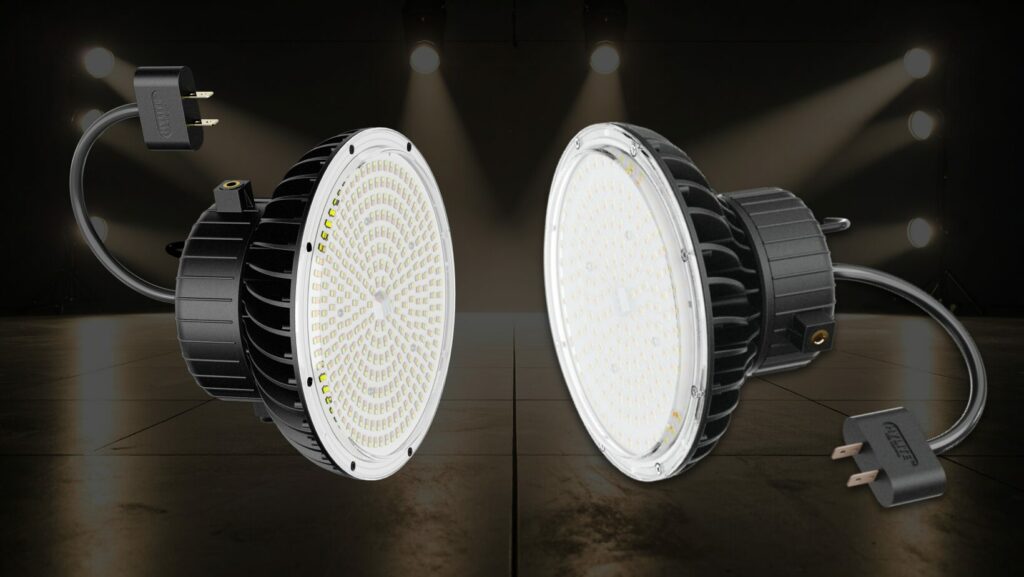
A Closer Look at LED PAR Cans
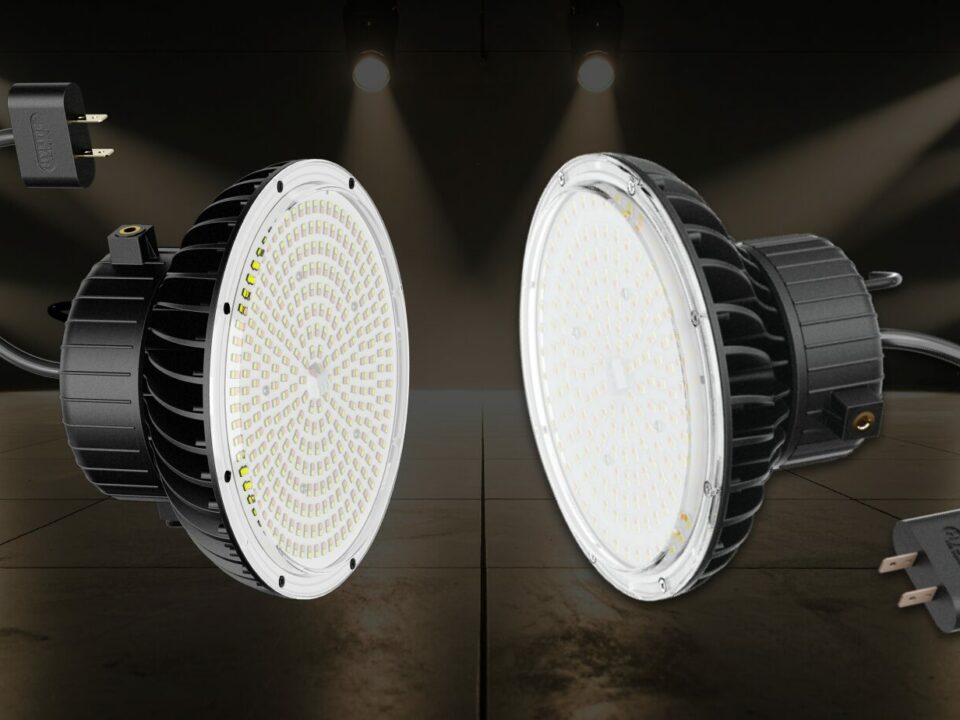
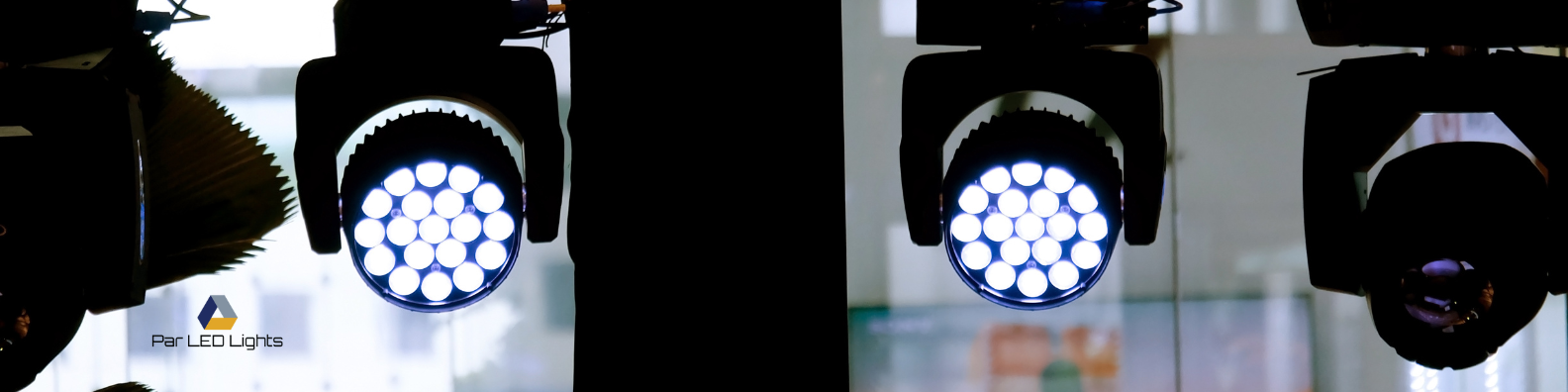
LED PAR cans are equipped with an array of small, efficient LEDs, leading to a host of benefits. Notably, they are highly energy-efficient, consuming far less power than traditional bulbs.
For instance, an LED PAR can use just 40W to 100W yet deliver the brightness of a 300W to 1000W halogen bulb. This makes them a more sustainable and cost-effective lighting option.
In addition to energy efficiency, LED PAR cans offer superior control over color and intensity, which is essential for professional lighting. They come with RGB or RGBA configurations, allowing for a broad spectrum of colors and seamless color blending, eliminating the need for external gels.
Their long lifespan, ranging from 25,000 to 100,000 hours, significantly surpasses traditional bulbs, reducing replacement frequency and overall maintenance costs.
Traditional PAR Cans
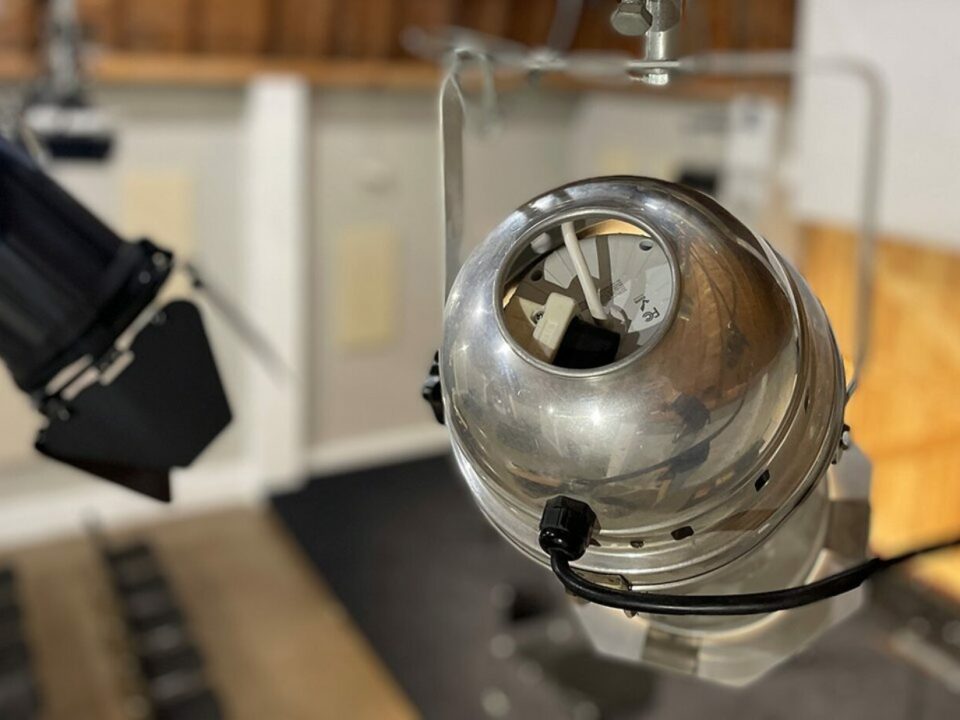
Typically utilizing incandescent or halogen bulbs, traditional PAR Cans have been the go-to choice for various events due to their strong, focused light output. Commonly, these bulbs range from 300W to 1000W and can deliver bright, concentrated light beams. This makes them particularly effective in settings requiring dramatic, high-impact lighting.
However, the design of traditional PAR cans presents certain drawbacks, particularly when contrasted with the newer LED technology. One of the primary issues is their lower energy efficiency. Standard bulbs convert a significant portion of energy into heat rather than light, leading to higher power consumption and increased operational costs.
Furthermore, this heat output can be a concern in smaller venues or during prolonged use, as it contributes to a rise in ambient temperature, necessitating additional cooling solutions and posing potential safety risks. These factors, combined with a shorter lifespan of bulbs typically ranging from 750 to 2,000 hours, highlight the limitations of traditional PAR cans in modern lighting contexts.
Comparative Analysis of Light Output and Quality
LED PAR cans stand out significantly from traditional lighting options. Their superior technology ensures an enhanced overall lighting experience, characterized by several key attributes, which include:
- Enhanced Uniformity and Adjustability: LED PAR cans are engineered to provide an exceptionally uniform light output, mitigating the common issue of uneven illumination seen with traditional lights. This uniformity is complemented by the ability to adjust light intensity and distribution finely, offering greater flexibility in creating the desired ambiance or focus.
- Advanced Color Rendering Capability: One of the standout features of LED PAR cans is their ability to offer consistent and high-quality color rendering. This means they can accurately reproduce the colors of the illuminated objects, which is crucial for settings where color fidelity is paramount. These LEDs’ Color Rendering Index (CRI) is typically high, ensuring that colors appear more vibrant and true-to-life compared to traditional bulbs’ more muted and sometimes inaccurate color representation.
- Expansive Color Range Without Gels: Unlike traditional PAR cans that require external gels to produce different colors, LED PAR cans can emit a wide spectrum of colors intrinsically. This is due to the use of RGB (Red, Green, Blue) or RGBA (Red, Green, Blue, Amber) LEDs, which can be mixed to create a multitude of hues. This simplifies the process of changing colors and allows for more dynamic and intricate lighting designs.
- Optimized for Professional Lighting Requirements: The technological advancements in LED PAR cans cater to the nuanced requirements of professional lighting setups. Their ability to provide targeted lighting with precise control over beam angles, from narrow spotlights to wide washes, makes them highly adaptable to various event and stage scenarios. Additionally, the reduced heat emission of LEDs compared to traditional lamps enhances the comfort and safety of both performers and audiences, making them a more practical choice for extended use.
Energy Efficiency, Power Consumption, and Safety Aspects
One of the primary advantages of LED PAR cans is their remarkable energy efficiency. These lighting fixtures require significantly less power than their traditional counterparts, leading to notable energy savings.
This enhanced efficiency is achieved without compromising on brightness; in fact, LED PAR cans can match or even surpass the light intensity of traditional bulbs. While they may present a higher initial investment, the long-term reduction in energy bills renders LED PAR cans a cost-effective solution over time.
LED PAR cans are designed to emit considerably less heat compared to traditional PAR cans. This lower heat production contributes to a safer lighting environment, which is particularly vital in enclosed spaces where excessive heat could pose a risk.
The reduced heat output also alleviates the demand for cooling systems during events, making LED PAR cans a safer and more comfortable in various settings, including smaller venues and studios.
Innovative Features and Eco-Friendly Impact
LED PAR cans are revolutionizing the world of lighting, not just by offering superior light quality but also through their array of innovative features and commendable environmental benefits.
LED PAR cans stand out from traditional lighting options due to their built-in capabilities, extended lifespan, and reduced ecological footprint. These elements contribute to their growing popularity in various professional and recreational lighting environments. Learn more about these compelling features:
- Advanced Built-in Capabilities: Equipped with additional functionalities like strobe effects and dimming capabilities, LED PAR cans enhance the creative potential in lighting design.
- Long Lifespan: LED lights boast a significantly extended lifespan, often lasting for tens of thousands of hours, greatly surpassing traditional bulbs’ longevity.
- Lowered Maintenance Demands: The prolonged lifespan of LEDs reduces the need for frequent bulb replacements and maintenance, leading to cost savings.
- Positive Environmental Impact: LED lighting contributes to environmental sustainability by consuming less power and producing less heat, thereby reducing overall energy usage.
- Reduced Waste Production: The durability of LEDs means fewer bulb replacements, which contributes to less waste.
- Energy Savings from Reduced Heat Emission: The lower heat output of LED lights lessens the need for extensive cooling systems, further decreasing energy consumption.
Need LED PAR Cans?
Offering enhanced energy efficiency, superior control over lighting effects, and an eco-friendly design, LED PAR cans are the ideal choice for modern lighting needs. Not only do they boost performance and creativity, but they also play a significant role in environmental conservation.
Experience the clear superiority of LED technology in your lighting setups. Upgrade to LED PAR cans now and illuminate your space with the best in lighting technology!